LIGHT THROUGH DARKNESS: A CHRISTIAN RESPONSE TO SUICIDE
A couple of my contemporaries challenged me to reconsider a title I chose for a recent article When a Christian Commits Suicide. They felt the title suggests suicide is a choice, and often, it may not be the case. I agree.
Suicide is a deeply complex issue, surrounded by pain, confusion, and sorrow. It is imperative to approach this topic with sensitivity and understanding. When we say, “suicide is not a choice,” it’s frequently referring to circumstances such as:
- Severe Mental Illness— Individuals enduring extended depression, psychosis, or other psychiatric disorders may find their judgment clouded by emotional turmoil, leading them to view suicide as the sole resolution to their problems.
- An impulsive decision— In moments of intense emotional distress, often exacerbated by substance misuse, individuals may act impulsively, failing to understand the full consequences of their actions.
- Coercion and abuse— Tragically, some individuals end their lives under coercion or extreme stress, a situation where panic overrides autonomy, rendering the act a non-choice.
- Spiritual interference— Certain religious texts and traditions, including Mark 9:17-30, reference demonic influences capable of manipulating individuals into self-harm.
Addressing suicide thoughtfully involves respecting individual beliefs while urgently addressing their mental health crisis, especially when integrating faith-based interventions.
Addressing suicide thoughtfully involves respecting individual beliefs while urgently addressing their mental health crisis, especially when integrating faith-based interventions.
Below are spiritual strategies that can complement immediate professional mental health assistance for individuals at risk of suicide:
1. Prayer Support:
- Praying with and for the individual, seeking God’s peace, strength, and guidance, can offer comfort by reinforcing their sense of companionship in their struggle.
- Encouraging the individual to pray, helping them find words if they struggle to find the vocabulary, and always emphasizing God’s love and compassion.
2. Scriptural Comfort:
- Share scriptures that emphasize hope and the concept of casting one’s burdens on God because He cares for us (e.g., 1 Peter 5:7).
- Avoid using scriptures in a way that might cause guilt or additional pressure.
3. Spiritual Counseling:
- Consulting pastors or counselors skilled in crisis intervention can merge spiritual and mental support, offering prayer and guidance while directing the individual to necessary help.
- Discussing theological concerns openly and compassionately, emphasizing God’s love and the importance of mental health treatment as part of God’s care for them.
4. Community Support:
- Establish a church-based support system offering individuals companionship, routine check-ins, and assistance accessing mental health care.
While spiritual support is crucial and comforting, it doesn’t set aside the need for professional mental health services. A holistic approach addressing mind, body, and spirit is the best practice.
THE IMPORTANCE OF PRAYER
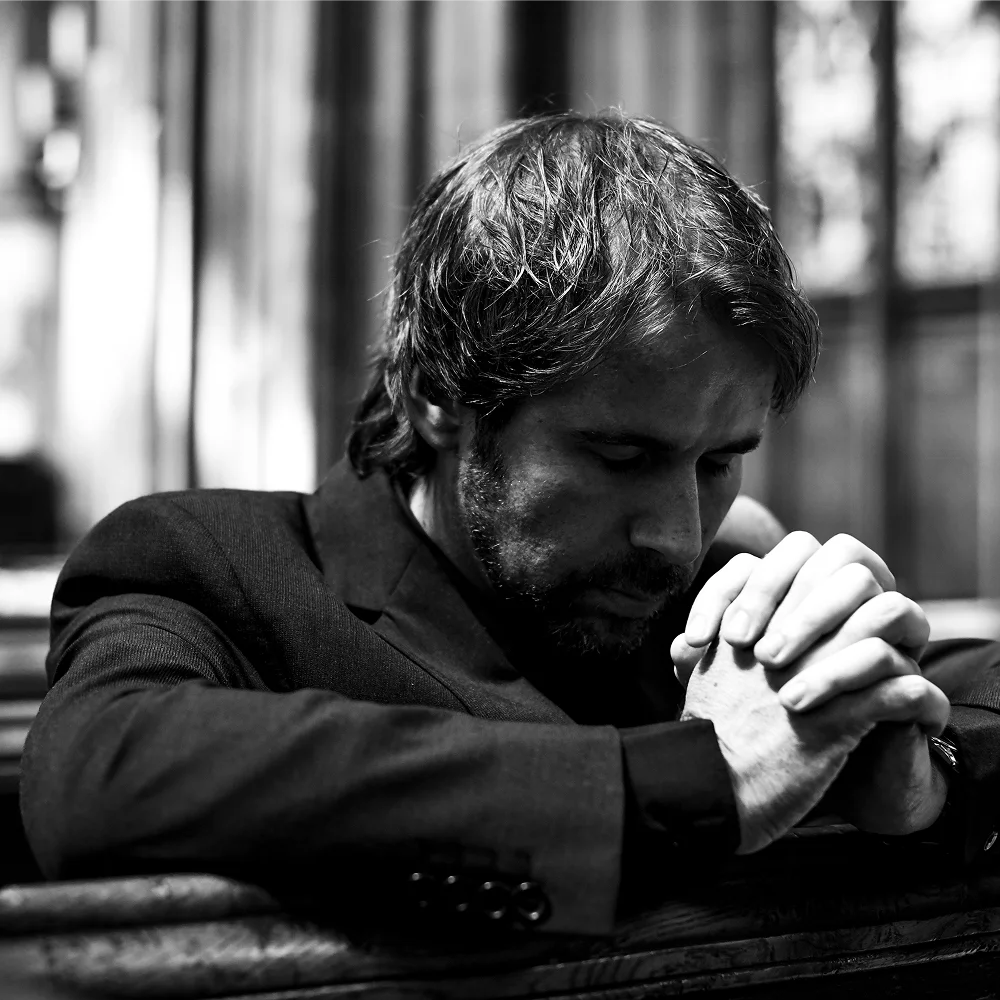
Mark 9:17-30 provides us with one example from the Bible, when a spiritual dimension to an illness may overrule an individual’s ability to be fully responsible for their decisions. It is also noteworthy that Jesus indicates prayer is an effective means of intervention.
Addressing Studies have shown prayer can prevent people from getting sick, and when they do get sick, prayer can help them get better faster.
I’ve learned three important things about fighting suicidal thoughts:
- Experiencing suicidal thoughts and being suicidal are two different effects. Both, however, are serious and deserve attention.
- People experience suicidal thoughts for many different reasons, so it’s important not to compare your situation or state of mind with others.
- Praying while coping with suicidal thoughts can be challenging. Though vital, it’s often the least appealing option and requires divine strength. Maybe a written prayer could be beneficial. I placed an example at the end of this article.
Dr. Koenig has extensively explored the intersection of faith and mental health, and his research supports the inclusion of spiritual practices as part of a holistic approach to health. He states:
“Studies have shown prayer can prevent people from getting sick, and when they do get sick, prayer can help them get better faster.”[1]
THE POWER OF SCRIPTURE
The Bible offers immense hope, featuring passages where people voice their despair, hopelessness, or sadness. It tells stories of those who sought God in their pain and found comfort, grace, and healing. Here are a few examples:
- Psalm 22—The psalm begins with the words of King David, “My God, my God, why have you forsaken me? Why are you so far from saving me, so far from my cries of anguish?” David expresses intense sorrow and feelings of abandonment.
- Psalm 42:5—David speaks to his soul, “Why are you downcast, O my soul? Why so disturbed within me?” He is in a state of mourning and feels forgotten by God. However, he also reminds himself that there is hope. He finishes the verse with, “Put your hope in God, for I will yet praise him, my Savior and my God.”
- 1 Kings 19:4—Elijah, a prophet who had just achieved a great victory at Mount Carmel, a few days later is in despair and prays that he might die. He says, “I have had enough, LORD. Take my life; I am no better than my ancestors.” This account shows even God’s servants can experience deep despair.
- Job—The more significant part of the Book of Job is a story of suffering. Job, a righteous man, faces immense sorrow and loss. He curses the day he was born (Job 3:1-26) and goes through deep despair and questioning. But in the end, his joy is restored.
- 2 Corinthians 1:3-4—Paul speaks of God as the “Father of compassion and the God of all comfort, who comforts us in all our troubles.” This passage reminds us that we can turn to God for comfort in times of despair.
These scriptures underscore that despair, depression, and sorrow are human experiences shared by many. They emphasize the significance of hope and finding comfort through faith and community, reassuring us that we are not alone in our darkest moments and that hope, and comfort are on the horizon.
A Prayer for someone contemplating suicide…
Dear Jesus, I’m trapped in a dark place and see no way out. I feel lost, my soul is in turmoil, and I’m thinking of giving up entirely. I desperately need Your guidance and support.
In the Bible You promise that You will never abandon me, that You’ll always stand firm beside me. I need to feel that now, Jesus. Please break through this darkness. Make Your presence known to me, so I can truly believe I’m not in this alone.
The Bible also tells me that You understand my suffering, that my pain matters to You. I need to experience that compassion, Lord. I’m searching for something—anything—to restore my faith. Please light a path for me through this suffering, show me the promise beyond this despair.
Jesus, I’m unraveling, I just need to feel Your arms around me, keeping me safe, assuring me I won’t crash. Guide me to find solace in Your scriptures, the Bible, and grant me the bravery to seek help from someone I trust—a friend, a family member, or a pastor.
Here I am, Jesus, reaching out for Your mercy. Thank you for hearing my plea, for being my rock in this stormy sea. I’m laying my brokenness at Your feet. Amen!
Final Notes:1. An article of this nature can only partially survey such a complex subject. My desire is to provide hope rooted in truth.
2. For individuals struggling with suicidal thoughts or struggling through the pain of losing a loved one to suicide, please get in touch with a mental health professional or a suicide prevention hotline in your region. These services can offer valuable support and resources.
3. Our Counselling Centre is staffed with professional counselors ready to assist you. Please visit our website legacycounsellingcentre.org or call the Billy Graham Evangelistic Association Prayer Line 1-888-388-2683 24 hours a day, 7 days a week.
Conatct Us
Recent Post

- 5021

- 5022

- 5042

- 5065
- 5091

- 5084